
Worship B4 War
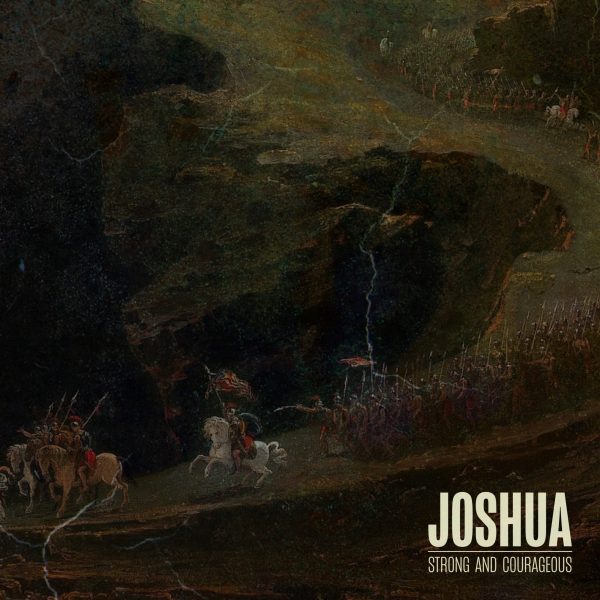
(Joshua 5:1–12)
When God Says, “Not Yet”
By the time Israel reached the edge of Canaan, every sign seemed to say, “It’s time.” The kings of the land were terrified, and the people were ready to fight. But before a sword was drawn, God paused His army for something unexpected—worship. Instead of charging ahead, Joshua was commanded to circumcise the men of Israel, leaving them physically vulnerable while their enemies cowered in fear. It didn’t make sense strategically, but it made perfect sense spiritually. God was reminding them that victory begins not with battle plans, but with obedience. Sometimes, before God moves through us, He works on us. When we’re eager to rush forward, He often whispers, “Not so fast, my friend.”
Rolling Away the Past
The generation that left Egypt had died in the wilderness, and their children had never been circumcised. This act was more than ritual—it was renewal. When Joshua obeyed, the Lord said, “Today I have rolled away the reproach of Egypt from you.” Gilgal became the place where disgrace was replaced with grace. Before they could inherit the land, Israel had to reaffirm who they were: God’s covenant people. For believers today, baptism and the Lord’s Supper serve as our reminders of covenant identity—signs that point to hearts changed and being changed by Christ. God’s grace removes the shame of the past and prepares us for what’s ahead.
Provision in the Ordinary
After the people celebrated Passover in the Promised Land, the manna that had sustained them for forty years stopped. The miraculous provision ended as they began to eat from the produce of the land. God was teaching His people to trust Him in a new way. His care didn’t disappear—it simply shifted. The supernatural gave way to the ordinary, and His presence remained just as faithful. The same God who provides manna in the wilderness is the One who provides fruit in the field. Whether our lives feel extraordinary or ordinary, He is still present, still providing, and still worthy of worship.
Worship Wins the War
This moment was preparation for battle, but it began with worship. Israel wasn’t called to fight first—they were called to surrender first. Worship aligns our hearts with God’s purposes and reminds us that the victory belongs to Him. We, too, are called to be worshipers before we are warriors—to set right our hearts, our homes, and our communities before we advance. When our worship is in order, our battles are fought from a place of strength, not striving. Worship isn’t a pause before the mission—it’s the foundation for it. In God’s story, worship always comes before war.

— Aaron Dininny
Pastoral Resident, [OV]Church